
Article
How to scale your Total.js application with clusterization?
In this article, we'll delve into the world of Total.js clusterization and unveil its potential to elevate your application's performance.
31 articlesPage 1 of 3
In this article, we'll delve into the world of Total.js clusterization and unveil its potential to elevate your application's performance.
Discover the power of Total.js, a robust web application framework for Node.js, through this step-by-step guide to building a CRUD (Create, Read, Update, Delete) API. Learn the essentials, from setting up the project and defining API routes to creating a 'Books' schema and testing the API. The post also dives into testing API routing for WebSockets, providing a comprehensive resource for Total.js enthusiasts. Explore the additional documentation for in-depth insights into API routing mechanisms.
We work on Total.js v5, and this blog post contains important differences between Total.js v5 and Total.js v4.
For developers leveraging the power of the Total.js framework, a robust tool awaits — Array.sync(). This unique utility, not native to JavaScript but crafted by Total.js, introduces an innovative approach to handling asynchronous tasks efficiently. Before we delve into examples, let's ensure your environment is set up correctly.
In the Total.js framework, developers are granted an exceptional tool for managing asynchronous operations within arrays — Array.wait(). This utility, not native to JavaScript but crafted by Total.js, introduces a novel way to handle asynchronous tasks efficiently.
One potent tool in this quest is Total.js, an exceptional framework that supports clusterization for supercharging performance. In this article, we'll delve into the world of Total.js clusterization and unveil its potential to elevate your application's performance.
In this blog post, we will explore how to handle file uploads and routing for custom files in Total.js.
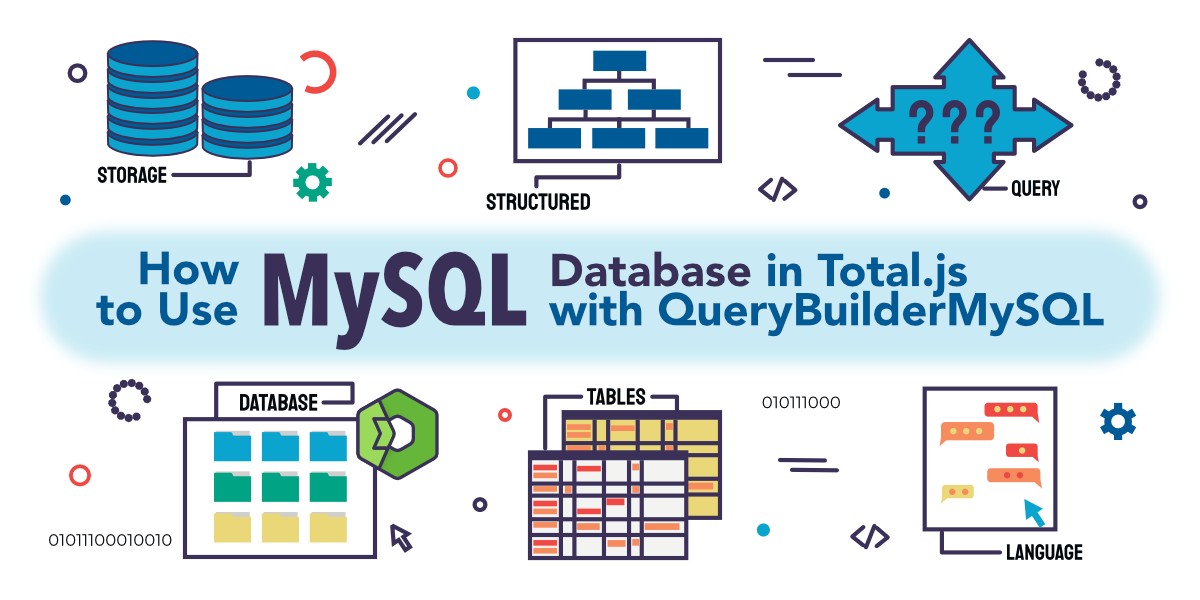
The blog post provides a step-by-step guide on how to integrate MySQL database in Total.js using QueryBuilderMySQL. It covers the prerequisites, installation of QueryBuilderMySQL, setting up a Total.js application, configuring MySQL database connection, and creating a sample route to interact with the MySQL database. The tutorial emphasizes the convenience and efficiency of using Total.js and QueryBuilderMySQL for building robust web applications with MySQL database integration.
From dynamic UI builders to advanced task management tools, Total.js offers a diverse ecosystem tailored for developers and teams alike. Let's dive in and explore the brilliance behind these top Total.js open-source apps.
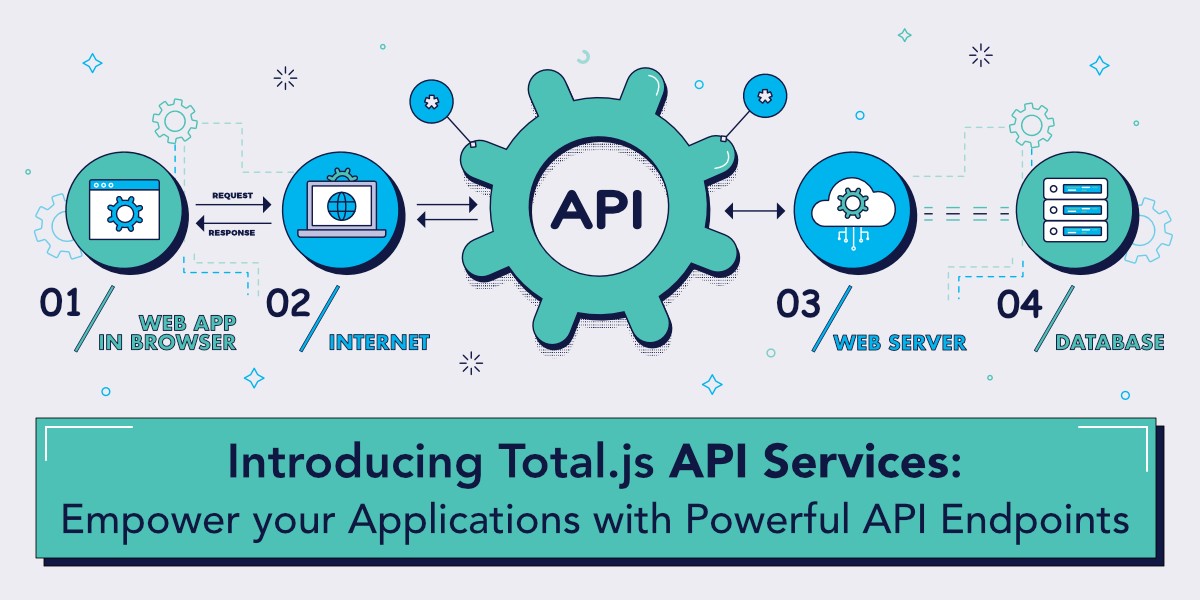
Whether you're coding in JavaScript, Python, Ruby, or any other popular web programming language, you can tap into the potential of Total.js API Services to add intelligence, efficiency, and interactivity to your applications.
In the ever-evolving landscape of software development, building and managing templates can be a challenging and time-consuming task for developers. As the shift towards microservices gains momentum, the need to adapt and find efficient solutions becomes paramount. Enter OpenTemplates, a game-changing platform that simplifies template building and empowers developers to harness the advantages of microservices seamlessly.
In this blog post, we will compare the process of finding data in PostgreSQL using Express.js, Laravel, and Total.js. We will explore the advantages and considerations of each framework's data retrieval methods, with a particular focus on Total.js and its QueryBuilderPG module.
Selecting the right view engine can significantly impact productivity and overall performance. In this blog post, we will compare the view engines of three popular frameworks: Express.js, Laravel, and Total.js. While all three frameworks offer their unique advantages, it's essential to consider the specific requirements of your project before making a decision.
In this blog post, we will compare the process of sending emails in Total.js, Express.js, and Laravel, highlighting their respective advantages. We'll also delve into why Total.js is a powerful choice for email sending, considering its robust features and benefits. By the end, you'll have a clear understanding of which framework or language is best suited for your email-sending needs.